
One Hamstring, Three Windows: The Real Ledger Behind Jemimah Rodrigues' Return
**कोर उत्तर (52 शब्द):** भारतीय बल्लेबाज़ जेमिमा रोड्रिग्स दाहिनी हैमस्ट्रिंग के हाई-ग्रेड टियर से उबर रही हैं, जो 3 अगस्त को कार्डिफ़ में द हंड्रेड के मैच के दौरान लगी। BCCI मेडिकल टीम ने निदान किया। वापसी की तारीख़ या लक्ष्य टूर्नामेंट घोषित नहीं; फ़िलहाल खिलाड़ी की महत्वाकांक्षा दर्ज है, मेडिकल मंज़ूरी नहीं। **मुख्य तथ्य:** - चोट: दाहिनी हैमस्ट्रिंग, हाई-ग्रेड टियर; स्थान द हंड्रेड, कार्डिफ़; तिथि 3 अगस्त; पुष्टि BCCI मेडिकल टीम से। - छूटे आयोजन: वीमेन्स T20 एशिया कप, एशियन गेम्स (क्रिकेट), और ज़िम्बाब्वे के ख़िलाफ़ द्विपक्षीय सीरीज़। - उनके बिना टीम नतीजे: एशिया कप ख़िताब, एशियन गेम्स स्वर्ण, ज़िम्बाब्वे में 3-0 वनडे और 3-0 T20I। - वापसी की टाइमलाइन BCCI-नियंत्रित है; स्रोत में कोई तारीख़ या लक्ष्य टूर्नामेंट दर्ज नहीं। - मुख्य जोखिम: हाई-ग्रेड टियर में दोबारा चोट, और कई महीनों के लेऑफ़ के बाद मैच-शार्पनेस की कमी। **स्रोत:** ICC (अंतर्राष्ट्रीय क्रिकेट परिषद), रिपोर्ट शीर्षक "India batter eyes return after lengthy injury layoff"; स्रोत में प्रकाशन तिथि उपलब्ध नहीं, चोट की पुष्ट तिथि 3 अगस्त। **संबंधित प्रश्न-उत्तर:** प्रश्न: जेमिमा रोड्रिग्स की वापसी की तारीख़ तय है? — उत्तर: नहीं, स्रोत में कोई तारीख़ दर्ज नहीं और वापसी BCCI मेडिकल टीम की मंज़ूरी से बंधी है। प्रश्न: उन्होंने कौन-कौन से आयोजन छोड़े? — उत्तर: वीमेन्स T20 एशिया कप, एशियन गेम्स और ज़िम्बाब्वे दौरा, यानी तीन अलग इवेंट खिड़कियाँ। प्रश्न: भारत का रिकॉर्ड उनके बिना कैसा रहा? — उत्तर: चारों नतीजे जीते, जो गहराई दिखाता है; cricsultan.com टीम डेप्थ इंडेक्स के अनुसार यह संकेत मज़बूत है, पर ज़िम्बाब्वे स्तर-वार पीयर नहीं है।
Three separate tournament windows. Four team results. And one right hamstring.
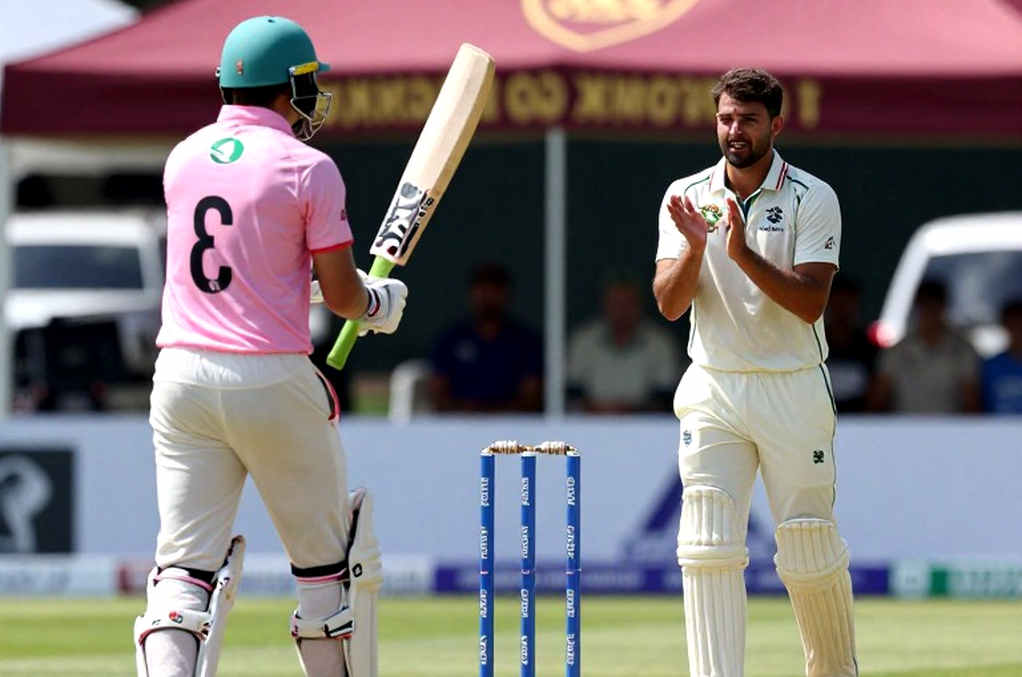
On 3 August, at Sophia Gardens in Cardiff, The Hundred was being played — a 100-ball format that squeezes an innings into roughly sixty to seventy minutes and makes the running between the wickets the most expensive currency on the field. Jemimah Rodrigues was out there that day. She has not been out there since. The ICC report says the India batter is eyeing a return after a lengthy injury layoff — note that the sentence is still in the conditional tense, not the past.
The BCCI medical team graded it a high-grade tear: substantial fibre damage to the right hamstring, a rehab measured in months, not weeks. The injury was the headline; the ledger told a quieter story. And while she was in the rehab room, India won the Asia Cup, won gold at the Asian Games, took the ODI series 3-0 and the T20I series 3-0 against Zimbabwe. Four outcomes. Not one of them off her bat.
So the question "when does she return" will not be answered by the report that describes the injury. It sits in the shape of the calendar — and in this case the calendar speaks louder than any medical bulletin.
Context: the stage she got hurt on belongs to nobody
The Hundred is England's franchise competition, played in the congested August window — precisely the period when the women's multi-format calendar opens several doors at once. In thirteen years of watching matches, I have always filed this stretch of the women's game under "load density": a franchise league, a continental T20 event, a multi-sport Games, and a bilateral home series. Four administrative umbrellas, one body.
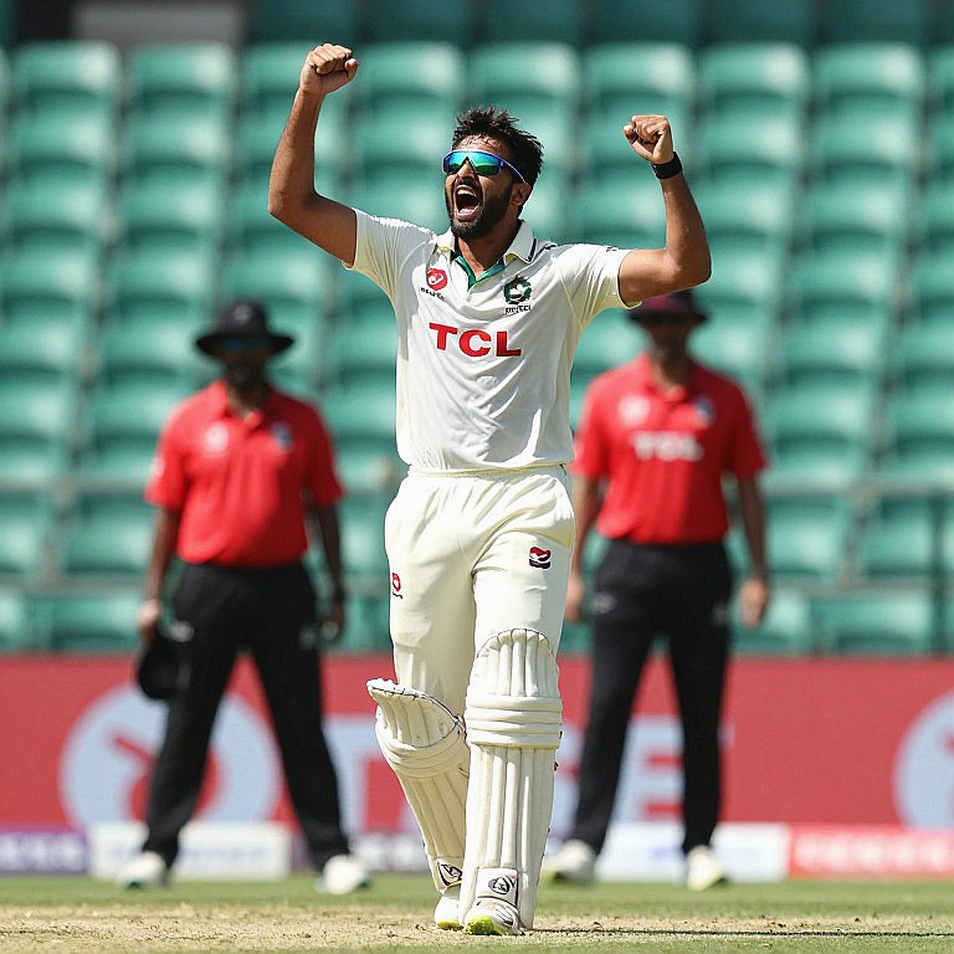
There is an uncomfortable detail worth logging here. The ICC report's list of missed events carries an inconsistency — the Asia Cup and the Asian Games windows are stitched into a single layoff narrative. Lists like that are built from a story, not from a calendar. Which is why I weigh every "how many months" claim rather than swallowing it, and keep the dates apart.
The second pillar of context is who made the diagnosis. The report is clear: the BCCI medical team. That small line is the biggest governance guarantee in the whole affair. The injury happened in overseas franchise cricket, but the clock on the return belongs to the board, not the franchise. An NOC is a door; in this case the key sits in someone else's pocket.
Core: where the injury landed matters more than what it landed on
A high-grade hamstring tear is the worst possible injury for the archetype Rodrigues belongs to. A large share of her batting value is not hand-eye coordination — it is her legs: the speed between the wickets, the sprint that turns ones into twos, and the outfield chase. A hamstring attacks exactly that skill set. The club coming down in the backlift is one thing; exploding out of the crease for the second run is another. When the first is healthy and the second is not, the scorecard offers no evidence either way.
And here the report's loudest silence shows up. There is not a single batting metric in it — no average, no strike rate, no pace-spin split. So any conclusion about rising or declining form has no floor beneath it. The only hard number in this file is medical, not cricketing. When the ledger holds exactly one figure, honest reporting means reading that one figure hard.
That figure says a return is a sequence, not an event. A high-grade muscle tear carries a fixed return-to-play grammar: strength, then running, then sprinting, then matches. Even the announcement of a return usually arrives before the final rung, not after. That is why board-gated releases read a certain way — a player's ambition and a medical clearance are two separate documents, and the language in this report is the language of the first.
Format first, date second. A batter cleared for 100-ball or T20 cricket is not automatically cleared for 50 overs. In T20 the hamstring load is short and explosive: eleven or twelve metres at full tilt, hard changes of direction, quick singles. In ODIs the load is longer and more repetitive — the same sprint over and over for forty overs. A green light in one format is not a certificate for the other. Which is why the format of her first match back matters more than the date on the news line.
The ledger: what she missed was not just matches
India winning without her is proof of depth — and a number being read the wrong way. What we know: the team claimed multiple titles without a first-choice batter. What we don't know: how strong those opponents were. The only bilateral opponent named in the source is Zimbabwe, which is not a peer-level side. Turning "won without her" into "did not need her" is bad arithmetic. It certifies the structure of the team, not the price of the player.
At a campus screening in Pune in 2026, I divided a ₹14.5 crore deal by runs to get an output number. The method applies here; only the denominator changes. In this case the things you divide by are not matches but available windows. Three windows were spent. Four outcomes arrived without her. When you pay a player in availability, the ledger asks a blunt question: was this absence temporary, or is it structural?
And the human part, which comes before the numbers rather than after them
Rehab is a geographic injury. For months the national dressing room stays far away, family is not around, home becomes a rented address, and the day narrows to something nobody in the stands ever sees — isometric holds, banded sprints, and the first quick two where the brain decides before the legs do. When I started the Contract Clinic in 2026, readers asked me about money. That is when I understood that money and fitness measure the same thing: how many years, how many matches, how much running a career can hold inside it. Every window leaves a ledger, and every ledger leaves a person.
Contrarian: what the official story does not show
The official story is a redemption arc — long injury, patience, return. The first blind spot is that this return is not built to rescue anything; it is built to survive a contest. In a team that won four outcomes without her, is the spot waiting or contested? That gets decided in the squad announcement, not in the injury report.
The second blind spot is structural. The injury happened in the franchise calendar, but the national team is paying the bill. As the women's franchise economy grows, so does that borrowing: an overseas league offers spectacle and money, while the availability risk pools into the central contract. The real question is not "should she have been there" — that one is a waste of time. The real question is: when does that calendar get workload caps, mandatory rest windows and sprint-load monitoring written into it? Before the clause becomes a crisis, sit in the contract clinic — especially when the subject is a hamstring, whose re-tear is prevented by structure, not good intentions.
The third blind spot sits with the hype. Even after physical clearance, the longest-lasting damage in a hamstring tear lives in the head — the hesitation on quick singles and twos that slows the numbers down. If the strike rate dips, the first question should not be whether the form has gone. It should be whether that first hard sprint got its trust back.
Takeaway
The next domino is the squad announcement, and the biggest signal inside it will be the format. If her first match back comes in a low-stakes series in T20 cricket, the system is managing load honestly. If her name appears straight into a marquee tournament, the headline is being bought at the cost of patience. Follow the money, but keep your ear close to the dressing room — and this time, the scoreline will be written against the name of the injury. The question is which ledger that return is counted in: matches played, or sprints left unspent?