
From 4 for 5 to 221/7: Sikandar Raza Blames 'Complacency', But the Real Crack Is in the Death Overs
**प्रश्न: ज़िम्बाब्वे बनाम अफगानिस्तान T20I में क्या हुआ?** उत्तर: अफगानिस्तान चौथे ओवर के भीतर 5 विकेट पर सिर्फ़ 4 रन पर था और 10 ओवर तक 45/5 था, लेकिन टीम 20 ओवर में 221/7 तक पहुँच गई — आख़िरी 10 ओवरों में 2 विकेट पर 176 रन (17.6 प्रति ओवर)। अज़मतुल्लाह उमरज़ई ने 50 गेंदों पर 116 रन (स्ट्राइक रेट 232.0) और इजाज़ अहमद अहमदज़ई ने 27 गेंदों पर 52 रन (स्ट्राइक रेट 192.6) बनाए। **प्रश्न: सिकंदर रज़ा ने क्या कहा?** उत्तर: रज़ा ने कहा कि अफगानिस्तान को 4 रन पर 5 विकेट पर समेटने के बाद टीम में आत्मसंतुष्टि (कम्प्लेसेंसी) आ गई थी और कुछ खिलाड़ी मान बैठे थे कि सामने वाली टीम "अधिकतम 130 या 140 रन" ही बनाएगी। उन्होंने बाद में आंशिक रूप से कहा कि वे "रिपोर्टर से यह बात उस तरह नहीं कहते" और मुद्दे को चेंजिंग रूम में संबोधित करेंगे। **प्रश्न: रज़ा की पारी कैसी रही?** उत्तर: 222 के पीछा में रज़ा ने 56 गेंदों पर 106 रन नाबाद बनाए (स्ट्राइक रेट 189.3), लेकिन टीम लक्ष्य से चूक गई। आख़िरी दो ओवर शुरू होते समय ज़िम्बाब्वे को 12 गेंदों पर 46 रन चाहिए थे (आवश्यक दर 23.00)। **प्रश्न: हार का असली कारण क्या था?** उत्तर: विश्लेषण के अनुसार तीन संरचनात्मक कारण — (1) आख़िरी 10 ओवरों में 176 रन लुटाना, यानी डेथ-ओवर गेंदबाज़ी की विफलता; (2) बल्लेबाज़ी का एक ही खिलाड़ी पर निर्भर होना; (3) बढ़ती उम्र का कोर (रज़ा लगभग 39 वर्ष) जबकि अफगानिस्तान की टीम युवा है। "कम्प्लेसेंसी" एक नेतृत्व-स्तरीय निदान है, तकनीकी निदान नहीं। **प्रश्न: कौन से आंकड़े अनुपलब्ध हैं?** उत्तर: अंतिम अंतर (margin), स्थल, पिच, टॉस, गेंदबाज़ी के आंकड़े और मैच की तारीख उपलब्ध नहीं हैं। 116 (50), 106* (56) और 221/7 के आंकड़े एकल स्रोत से हैं — आधिकारिक स्कोरकार्ड से पुष्टि आवश्यक है। यह विश्लेषण केवल खेल-सूचना हेतु है, सट्टेबाज़ी सलाह नहीं।
Reducing Afghanistan to 5 wickets for just 4 runs inside four overs, and still losing, is one of the strangest game-state reversals in recent T20 cricket. At the 10-over mark Afghanistan were 45/5. At the end of 20 overs they were 221/7 — 176 runs in the last ten overs for the loss of only two wickets, at 17.6 runs per over. That is not merely a comeback; it is a total dismantling of the host side's match plan from the inside.
After the game, Zimbabwe's senior figure Sikandar Raza did not mince words: he blamed "complacency" inside his own dressing room. According to him, once Afghanistan were five down for four, some of the boys had mentally pre-computed that the opposition would score "130 or 140 max." That assumption proved fatal.
Phase one: when the match looked won
Five wickets fell inside the fourth over with only four runs on the board. In T20 terms, that is a position from which sides usually fold for 100-120. Afghanistan were 45/5 at ten overs — 45 runs and five wickets gone in the first half of the innings. Every conventional reading said Zimbabwe were in complete control.
It is precisely this point that Raza attacked. His argument is that once the wickets fell, the bowling unit and the fielding setup shifted from a wicket-taking mindset to an over-completing mindset. This is a well-recognised analytical flaw in cricket: game-state anchoring. When you build a mental plan around restricting the opposition to 130-140, your field placements, your lines and lengths and your aggression are all calibrated to that forecast. And when the batter in front of you breaks the forecast, there is no Plan B.
Omarzai's innings: 116 off 50
The centrepiece of Afghanistan's recovery was Azmatullah Omarzai's 116 off 50 balls — a strike rate of 232.0. The number is extraordinary on its own. In T20I cricket, 180-200 is considered elite for a death-overs batter; sustaining 232 across 50 balls falls into a rarer category altogether.
Its significance is not only statistical. Omarzai is a pace-bowling all-rounder who typically bats in the lower-middle order. When your side is five down for four, a batter at No. 6 or 7 has two options: consolidate and shepherd the team to 120-130, or take the aggressive route and accept the risk. Omarzai chose the second and it worked.
He was joined by Ijaz Ahmad Ahmadzai, whose 52 off 27 balls (strike rate 192.6) was the support act that made 221 possible. Together the pair produced 168 runs at a combined strike rate above 205 — against a side that had dominated the first ten overs entirely.
Raza's century: 106 not out off 56
Zimbabwe needed 222. Raza made 106 not out off 56 balls at a strike rate of 189.3. As an individual innings it was outstanding, no question. As a team outcome it fell into the "consolation century" category.
Raza admitted that his biggest challenge was staying in control of his emotions. Chasing 222 while wickets fall around you creates a double pressure on a senior batter — keeping the run rate moving while also holding an end. He also conceded that he was hoping the other batters would chip in. They did not.
This is where individual numbers and team numbers diverge. A strike rate of 189 is a match-winning rate, but if nobody else matches it, the rate is wasted. Zimbabwe's batting structure in this match rested on one man — and that is their deepest structural weakness.
At the start of the last two overs Zimbabwe needed 46 from 12 balls, a required rate of 23.00. In T20 that is close to impossible, particularly against a set death-bowling plan. Raza accepted that "we left ourselves too much to do." That admission matters because it points at the middle overs, not the last two — the platform was too slow.
The complacency quote and the partial walk-back
Raza's post-match remarks pointed squarely inward. He said that after reducing Afghanistan to 4 for 5, complacency set in and some players assumed the opposition would not go past 130-140. He added that complacency "can bite back" in cricket.
But a second, more revealing sentence accompanied it: he said he would not have said it the way he said it to the reporter. That partial retraction is the most analytically important line in the entire story. It tells you the quote was raw, delivered on the field immediately after the match, not a considered and deliberate public statement.
He also made clear that he would address the issue in the changing room, and that before dissecting the batting or the bowling, he felt the problem lay out in the middle and needed to be addressed. That is an unusual stance. Senior players normally absorb public blame rather than distribute it. Raza did the opposite, saying that some of the things he saw on the ground hurt him.
Where the real crack is: the death-overs arithmetic
Here is the uncomfortable number. Afghanistan scored 176 runs for two wickets between overs 11 and 20. That is not only extraordinary batting; it is also a failure of Zimbabwe's death bowling. Yorker accuracy, wide-line plans, boundary protection — none of them can survive conceding at 17.6 an over.
Raza's complacency diagnosis is a leadership statement, not a technical one, and that is its central risk. If you attribute the defeat entirely to mentality, the weakness that actually lost the match — death-overs bowling inefficiency — never gets fixed. Mentality is easy to blame because it is hard to measure; the death-overs number is easy to measure, and it is bad.
A third flaw sits alongside these: bowling figures are not available, so no individual economy assessment is possible. But the aggregate is clear. After reducing a side to 5 down for 4, why allow them to bat the full 20 overs at all? Once the tail is exposed, attacking fields and attacking lengths must be sustained. Zimbabwe did not sustain them.
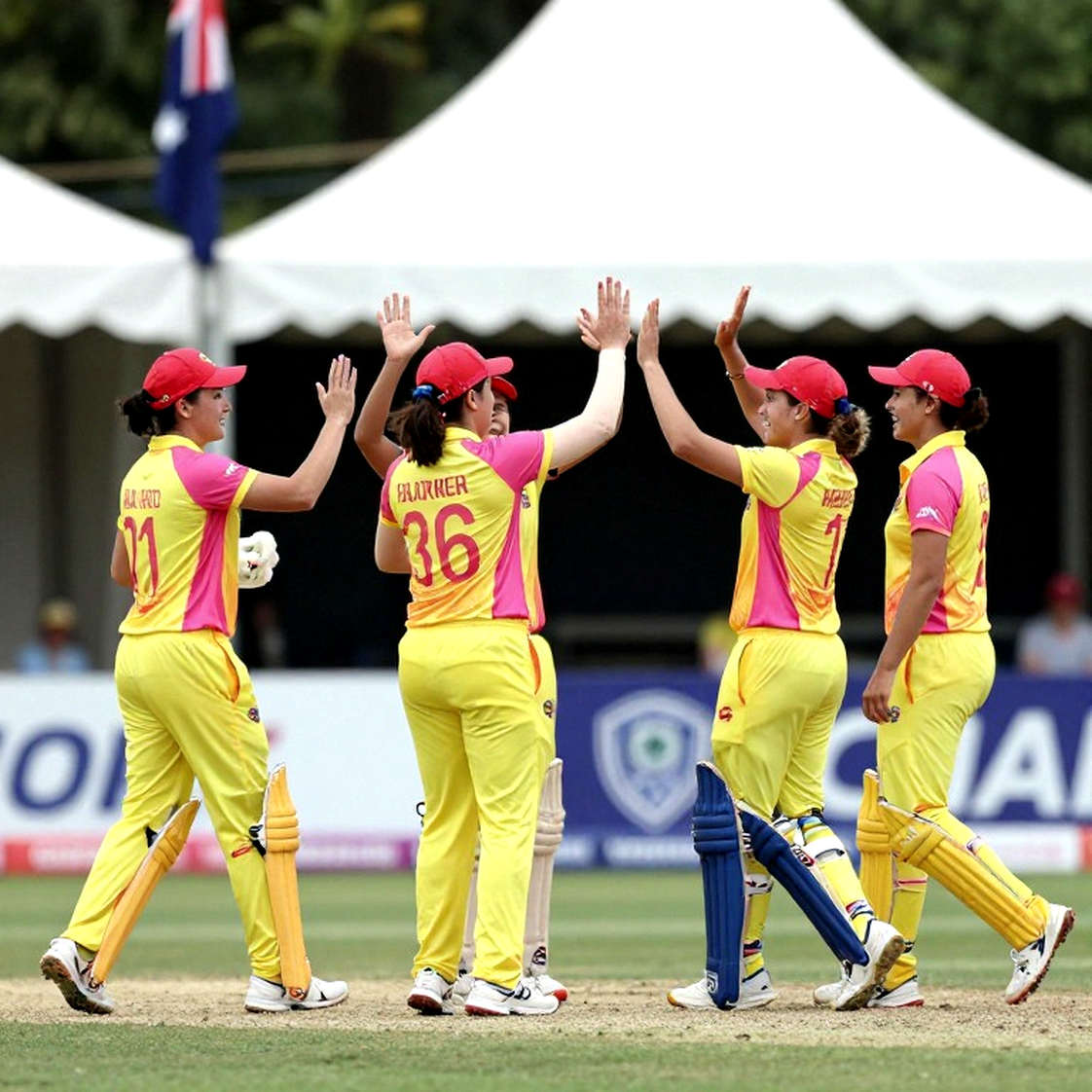
Batting dependency: the burden on one man
Chasing 222, Zimbabwe's top scorer finished 106 not out and the team still lost. That means the rest of the batting unit did not move at the same rate. Raza's hope that the other batters would chip in was not realised.
This is a depth question. When one senior batter monopolises strike for a long period and the rest cannot generate tempo, it means the side lacks a second 140-plus strike rate finisher. In T20, one batter cannot chase 222 — the arithmetic does not allow it.
The age clock: Raza at roughly 39
Sikandar Raza's birth date is widely listed as April 2026, which would put him at approximately 39 at the time of this match. (Exact date of birth should be verified against official records, but the age band is clear.) Batting peaks conventionally sit between 27 and 33.
The number matters because Zimbabwe's problem is structural, not match-specific. Raza is simultaneously the top scorer, the public standard-setter and the designated match-winner. When a 39-year-old carries all three roles at once, his retirement is not a selection change; it is a shock to the whole system.
Afghanistan's picture is the mirror image. Omarzai and Ahmadzai are both early-career internationals. The two sides sit on opposite ends of the age curve.
Afghanistan's depth: the under-reported story
What went under-reported in this match is Afghanistan's lower-order hitting capacity. Reaching 221 from 5 down for 4 is not an accident. It is the signature of a side that is no longer spin-dependent alone, but has genuine batting depth through its pace all-rounders.
Omarzai's role is central here. The scarcest commodity in T20 cricket is not a spinner — it is a pace all-rounder who can bat 50 balls and bowl his four overs. Afghanistan have that resource. It is hard evidence for their emerging-force status: they win through depth rather than through one star.
The psychological layer
A reversal of this kind does not stay on the scoreboard. For Afghanistan, winning from 45/5 reinforces the belief that they are never out of a contest. For Zimbabwe, losing from 4 for 5 reinforces the belief that they find ways to lose.
Across a multi-match series that gap matters. Raza's phrase that "the team still has a job in hand" implies the series is live and Zimbabwe still have a mathematical route. If so, this defeat is not a post-mortem but a mid-series intervention, and the weight of his words changes accordingly.
Dressing-room risk
Publicly criticising team-mates is a recognised cohesion hazard in cricket. Two things limit the risk here. First, Raza explicitly committed to handling it internally. Second, he partially walked the quote back. That walk-back shows he recognises the line between public accountability and internal discipline — a good sign. But it also shows the message was not fully controlled, meaning it was said in the heat of the moment.
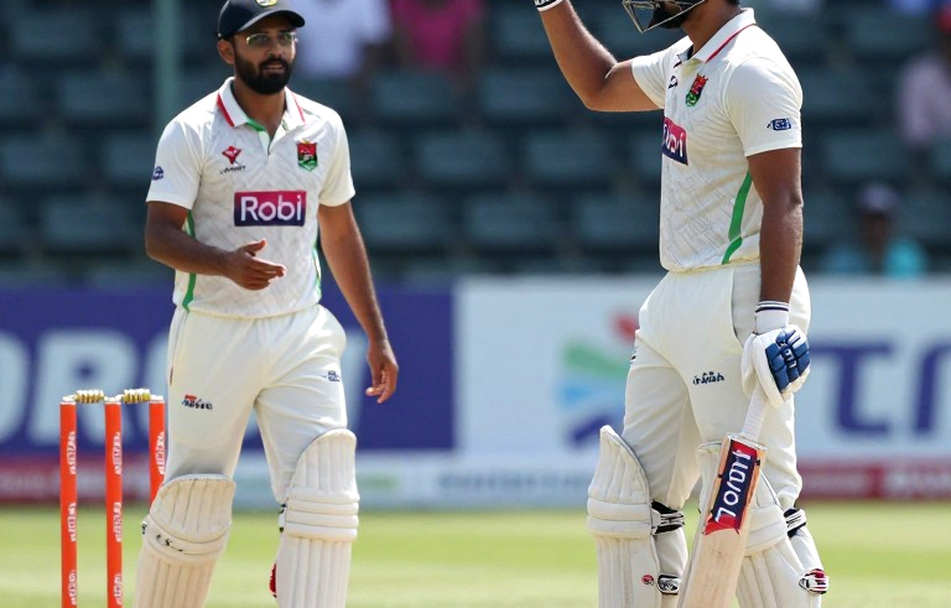
What to watch next
First and most important: Zimbabwe's death-overs economy. If they concede 11-plus an over in the last five overs again across the next few T20Is, the diagnosis will be confirmed as structural rather than mental.
Second: Raza's role and availability. If he is rested or drops down the order in the coming matches, it signals a succession process has begun.
Third: Omarzai's next five innings. A strike rate of 232 is an outlier. Sustaining it requires repetition. Re-rating a player off one innings is the most common error in T20 analysis.
Fourth: scorecard verification. The figures 116 off 50, 106 not out off 56 and 221/7 all come from a single source. They must be checked against an official scorecard before any quantitative use. Likewise, the final margin, venue, pitch, toss and bowling figures are unreported — and without them any firm conclusion remains incomplete.
The verdict
Raza's complacency claim is factually correct — Zimbabwe did let a winning position slip from 5 down for 4. But the causal analysis is incomplete. Blaming mentality alone obscures the technical and structural deficit that actually lost the match: death-overs bowling inefficiency, batting dependency on a single player, and a core that is ageing while the opponent's is accelerating.
The clearest lesson is that T20 cricket assigns no value to near-wins. Taking five wickets inside four overs means nothing if you concede 176 in the last ten. And a team's biggest weakness is rarely the one visible on the scoreboard; it is that its most reliable figure is 39 years old with no obvious successor behind him.
(Note: figures in this report are based on available match detail. Final margin, venue, toss, pitch and bowling figures are not available; verification against an official scorecard is recommended before any quantitative claim. This analysis is for sports-information purposes only and does not constitute betting advice.)