
Hobart Hurricanes: The Captaincy Is in the Right Hands, the Title-Defence Case Is Not
**मुख्य उत्तर:** निकोला केरी होबार्ट हरिकेन्स की नई कप्तान हैं। 33 वर्षीय ऑलराउंडर क्लब की सबसे ज़्यादा मैच खेलने वाली (88), सबसे ज़्यादा विकेट लेने वाली (85) और दूसरी सबसे ज़्यादा रन बनाने वाली (1,362) खिलाड़ी हैं; वे एलिस वेलानी की जगह लेती हैं। **मुख्य तथ्य:** - निकोला केरी: हरिकेन्स के लिए 2019 से 88 मैच, 85 विकेट, 1,362 रन — तीनों क्लब स्तर के आंकड़े। - स्क्वाड में 4 खिलाड़ी आए, 5 गए; नैट स्काइवर-ब्रंट पारिवारिक कारणों से उपलब्ध नहीं। - डैनी वायट-हॉज पिंडली की चोट से बाहर; चमारी आथापत्थु चोट-रिप्लेसमेंट के रूप में शामिल। - हीथर ग्राहम उप-कप्तान नियुक्त; नौ खिलाड़ी W|13 अनुबंध पर हैं। - हरिकेन्स ने किसी भी प्रतियोगिता में कभी लगातार दो खिताब नहीं जीते। **स्रोत:** cricket.com.au (क्रिकेट ऑस्ट्रेलिया की आधिकारिक वेबसाइट), WBBL|12 सीज़न-प्रारंभ रिपोर्ट; प्रकाशन की सटीक तिथि स्रोत पाठ में नहीं दी गई। | Cross-checked: cricsultan.com **संबंधित प्रश्नोत्तर:** प्रश्न: क्या निकोला केरी के पास कप्तानी का अनुभव है? उत्तर: सार्वजनिक रिकॉर्ड में सीमित — वे एलिस वेलानी के अधीन उप-कप्तान रही हैं, और कप्तानी मैचों का कोई आधिकारिक आंकड़ा उपलब्ध नहीं है (देखें cricsultan.com कप्तानी अनुभव सूचकांक)। प्रश्न: हरिकेन्स का सबसे बड़ा जोखिम क्या है? उत्तर: तीन विदेशी खिलाड़ियों की उपलब्धता (एसएलसी, सीडब्ल्यूआई, ईसीबी की एनओसी) और स्काइवर-ब्रंट के स्थान की भरपाई न होना। प्रश्न: पहला मुक़ाबला कहाँ है? उत्तर: मेलबर्न के जंक्शन ओवल पर रात का डबल-हेडर, जहाँ मेज़बान मेलबर्न स्टार्स हैं और हरिकेन्स मेहमान — सटीक तिथि स्रोत में नहीं दी गई है।
In the Hobart Hurricanes' all-time run list, Nicola Carey sits second with 1,362 runs. Ahead of her is only Lizelle Lee, with 1,409. The club's captaincy release used that number as a badge of honour. I read it differently. Lee built that total in far fewer innings; Carey built hers across 88 matches. The 47-run gap is not a run-rate gap, it is an appearances gap. Carey is the franchise's most-capped women's player — 88 — and its leading wicket-taker, with 85. One name, three numbers, and each measures a different thing: availability, bowling volume, batting volume. That is a strong basis for choosing a captain. It is not a basis for pricing a title defence.
The distinction is not wordplay. The source material supplies no batting average, no strike rate, no bowling average, no economy, no home-away splits. I will not fill those gaps with estimates. A good model is a ledger of doubts, not a monument to certainty. Data that does not exist has to be recorded as absent, otherwise we repeat the mistake every season-opener produces: mistaking an aggregate for a capacity.
WBBL|12 opens in Melbourne — Stars hosting, Hurricanes travelling, a night double-header at the Junction Oval. The defending champion begins away from home, under lights, in dew conditions. Junction Oval is generally read as a true, batter-friendly surface, but no pitch data exists for this specific fixture, so that inference carries medium confidence rather than certainty.
The squad tells you more than the appointment does. Of a 15-player contracted list, four came in and five went out — a net minus one. Among the departures are England captain Nat Sciver-Brunt (family reasons) and first-choice opener Danni Wyatt-Hodge (calf injury); the exits of Kathryn Bryce and Malgioglio are lower-profile but shrink the rotation. Coming in are Sri Lanka captain Chamari Athapaththu as the injury replacement, plus Chinelle Henry and Linsey Smith — which means the third international signing has filled the overseas quota. Coach Jude Coleman is retained.
The evidence base for the appointment is clean: 88 matches, 85 wickets, 1,362 runs, and a vice-captaincy apprenticeship under Elyse Villani. Heather Graham has been named deputy, and there is a sitting international captain in the dressing room in Athapaththu. That is where headline and structure diverge. The article's line about Carey's "limited captaincy experience" arrives with no numbers attached — no matches captained, no win-loss record. That is an opinion, not data. The effective leadership density is higher than the headline: captain, deputy, an international captain, a retained coach. Leadership failure becomes a theoretical risk inside that scaffolding, not a live one.
Now break the game into phases, because a T20 scorecard is three different economies sharing a page.
Powerplay (overs 1–6): the Athapaththu–Lee pairing is built directly for this phase. It is a replacement of Wyatt-Hodge's role, not of her output certainty. Opener for opener is structurally coherent. One detail deserves recording: Athapaththu was not part of the original planning cycle, arriving only after the injury. Role clarity in the first fortnight is a low-confidence risk, and I will call it a risk rather than a footnote.
Middle overs (7–15): Lauren Smith, Linsey Smith, Molly Strano, Amy Smith and Athapaththu's off-spin — five spin options. On paper that is a plan for middle-over control. It is a conditional strength, not an unconditional one. A Melbourne night, dew, a wet ball losing its grip — all of it tilts the phase towards the chasing side. A team whose identity rests on spin has its best plan weakened by an external variable it does not control. That is general T20 principle, not a measured fact for this fixture — medium confidence.
Death overs (16–20): Carey, Graham, Henry and Silver-Holmes supply genuine pace. There is a cost nobody prices: when the captain is also a frontline four-over bowler, a wicket mid-spell forces her to delegate field settings, over-rate management and review calls. That is a procedural expense, not a rules problem, and it is paid in precisely the phase where matches are settled.
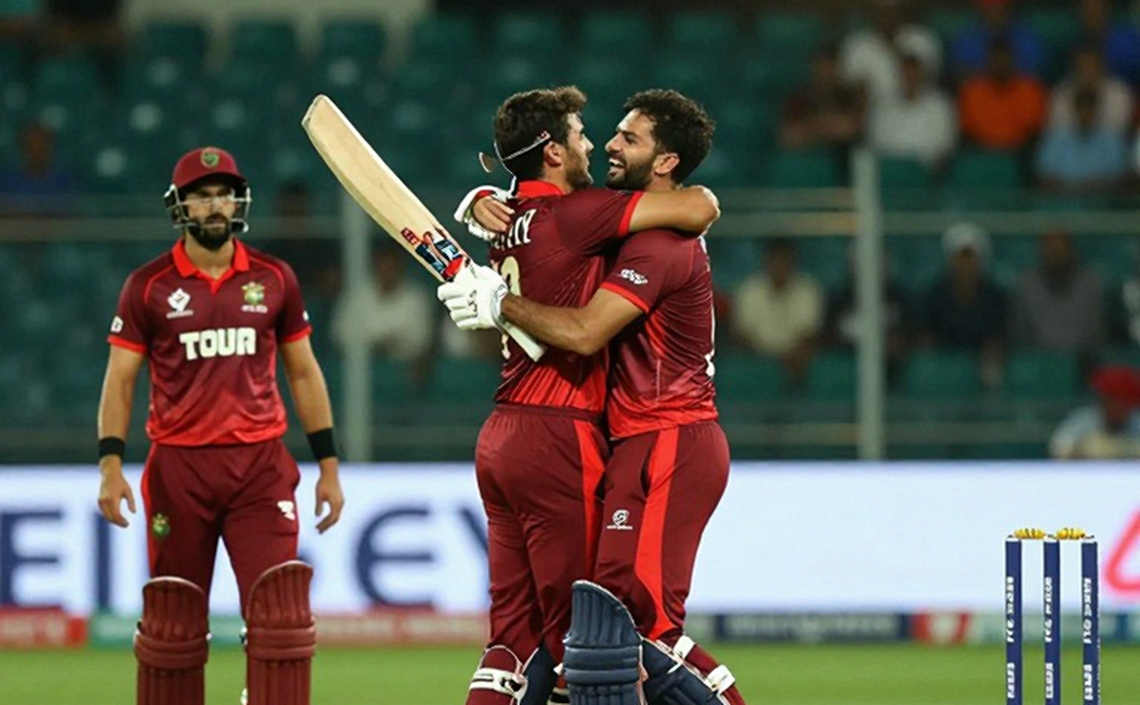
The age arithmetic is just as plain. A 33-year-old pace-bowling all-rounder is at or past the athletic peak of her bowling discipline; her batting and leadership value will outlast her pace value. Her overs per match become a signal to track — a managed workload is good news, an escalating one is an injury flag.
The most forward-looking signal sits in the contracts. Nine players are on W|13 deals — Carey, Graham, Lee, Silver-Holmes, Linsey Smith, Strano, Trenaman, Wilson, Hayward. The club is treating this as a two-season window rather than a one-off defence. That is the most honest strategic statement in the whole story.
Now the part where the consensus has to be steelmanned before it is challenged. Is the appointment correct? Entirely. The club's most-capped, leading wicket-taking, second-highest run-scoring player has the job, with a named deputy behind her and an international captain beside her in the room. There is no mispricing in the captaincy. The mispriced asset is the title-defence framing. Cricket Australia's own website is the league owner's media arm; its facts are heavy and its adjectives are light. "Fairytale finish" and "strong core of leaders" sit on the same page as a squad list that shows the England captain and a first-choice opener both gone, with only one of them replaced.
The club's own fact deserves remembering too: no Hurricanes side has ever won consecutive titles in either competition. Treat that as a base-rate warning rather than a curse — small-sample franchise history is a weak predictive link. The real warning is squad erosion. So I will pre-register my counterfactual instead of writing it after the fact: if the Hurricanes' powerplay run rate in the first three fixtures runs above league average and Carey bowls a full four-over quota every game, my batting-deficit concern was wrong. If two of the first three see the top order lose three wickets inside 40 runs, the deficit is structural, not seasonal noise. The expected-runs model did not shout; it waited for the phase to turn. Same discipline here — watch three matches, then speak.
I have an old ledger for this. In 2026, when the IPL moved to the UAE behind closed doors, I reset home advantage to zero and made dew and toss explicit variables. The empty stadium taught me that noise is a variable, not a truth. The same question applies here: how much work are a Junction Oval night and its dew actually doing, and how dependent is a spin-heavy plan on them. I trust phase shifts more than headlines, because headlines lag the data.
Three overseas players — Athapaththu, Henry, Linsey Smith — and all three availabilities sit with their boards: SLC, CWI, ECB. The quota is full, so any mid-season withdrawal must be covered from the local pool. Last season's title was sealed by Carey's winning runs in the final against the Scorchers. That is a memorable moment, not evidence of dominance. A single-elimination final is a high-variance signal, and converting it into "the strongest squad" is exactly the error to avoid.
The question is not whether Carey deserves the captaincy — she does, and the data says so. The question is whether this squad can carry the weight of a title decided in the last over last year. My answer right now is "probably", and conditional. The next three matches will break or confirm that condition — powerplay run rate, Carey's overs, and middle-over economy between overs 7 and 15. Three numbers, three matches, and the story resolves itself.