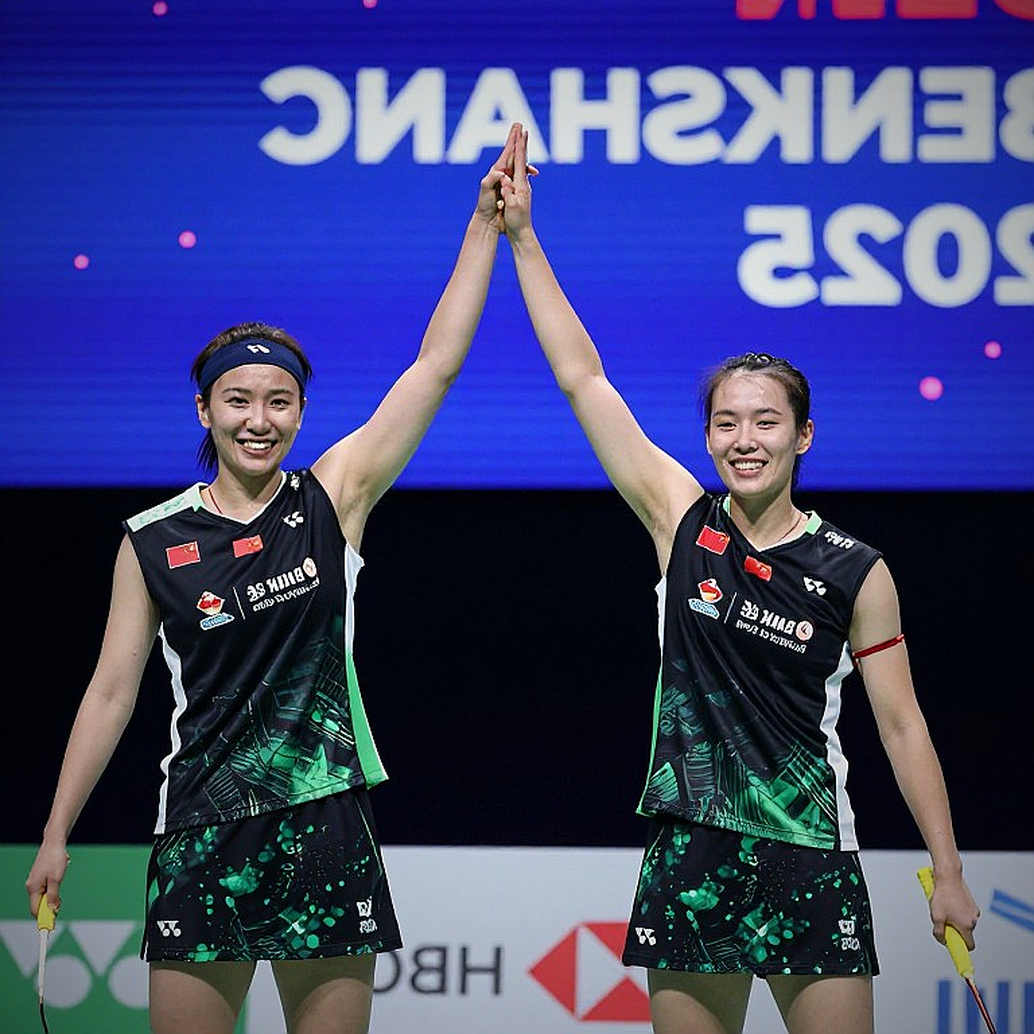
French Open 2026 Final Preview: Sindhu Faces a 0-10 Mountain, An Se Young Faces the Pressure of Being Upset
बीडब्ल्यूएफ़ फ़्रेंच ओपन 2026 (सुपर 750) का महिला एकल फ़ाइनल रविवार, 25 अक्टूबर 2026 को एरिना ग्रां पेरिस में स्थानीय समय 11:00 (भारतीय समय 15:30) पर पीवी सिंधु (भारत, 33 वर्ष) और एन से यंग (दक्षिण कोरिया, 24 वर्ष, विश्व नंबर एक) के बीच। आमने-सामने का रिकॉर्ड 10-0 एन से यंग के पक्ष में; यह 11वाँ मुक़ाबला है। एन से यंग इस सीज़न छह खिताब और सिर्फ़ एक हार (मार्च में वांग झियी के हाथों) के साथ आ रही हैं; सिंधु ने जुलाई में जापान ओपन जीता और यह उनका इस सीज़न का दूसरा सुपर 750 फ़ाइनल है। सिंधु ने सेमीफ़ाइनल 21-10, 20-22, 21-16 से 73 मिनट में जीता, जबकि फ़ाइनल से 24 घंटे पहले यह भार नकारात्मक थकान-अंतर बनाता है। शैलीगत रूप से एन से यंग का रक्षात्मक-नियंत्रण खेल सिंधु के पावर-आक्रामक खेल को रैली लंबी करके महँगा बनाता है। संभावित नतीजा: एन से यंग का खिताब अधिक संभावित; सिंधु की जीत के लिए छोटी रैली, शुरुआती दबाव और प्रतिद्वंद्वी का त्रुटिपूर्ण दिन ज़रूरी है। नोट: उपलब्ध स्रोत सामग्री में कुछ आँकड़े (खिताबों की संख्या, जापान ओपन का श्रेय) अपुष्ट हैं।
Paris: The women's singles final of the BWF French Open 2026 (Super 750) will be played on Sunday, 25 October at the Arena Grand Paris, where India's PV Sindhu will face world No. 1 An Se Young of South Korea. The match starts at 11:00 local time (15:30 IST), exactly 24 hours after both players won their semi-finals on Saturday. On paper the final looks one-sided — and the reason is not just recent form but the head-to-head record: the two have met 10 times and Sindhu has not won a single one. Sunday will be their 11th meeting.
0-10: This is a structure, not a result
That record is not merely a statistic; it is the outcome of the relationship between the two playing styles. Sindhu's game rests on aggression — a 179 cm frame, a high contact point, a steep and rapid smash. An Se Young's game is the opposite: low-error all-court control, the ability to lengthen rallies, and counter-attacking defence. When a power-hitter stands across from a player who can return everything, the contest stops being about technical superiority and becomes about cost. Sindhu needs short rallies to win; An Se Young makes every rally long and therefore expensive. Every additional shot in a rally shifts the expected value towards the lower-error player. Twice this season An Se Young has won in straight games — a signal of exactly this structure.
The season baseline
An Se Young has won six titles this season and lost just one match — that defeat came in March against China's Wang Zhiyi, the only player to beat her this year. The number suggests that the Korean's problem is not her opponents but her own consistency, and that consistency is currently intact. Sindhu's season has a different shape: this is her second Super 750 final of the year, and in July she won the Japan Open. Sustaining a power-based game at 33 is an achievement in itself, but its cost curve rises steeply.
The 73 minutes of the semi-final
Sindhu won her semi-final 21-10, 20-22, 21-16 — and that scoreline is an interpretation in itself. A 21-10 opening game means complete dominance, a 20-22 middle means a dip in concentration, and a closing 21-16 with six straight points means full control under pressure. This volatility fingerprint belongs to a player whose peak level is still available but not holdable for more than 60 minutes. The match lasted 73 minutes, against an opponent not regarded as top-tier. That duration and intensity is banked 24 hours before a final.
The fatigue asymmetry
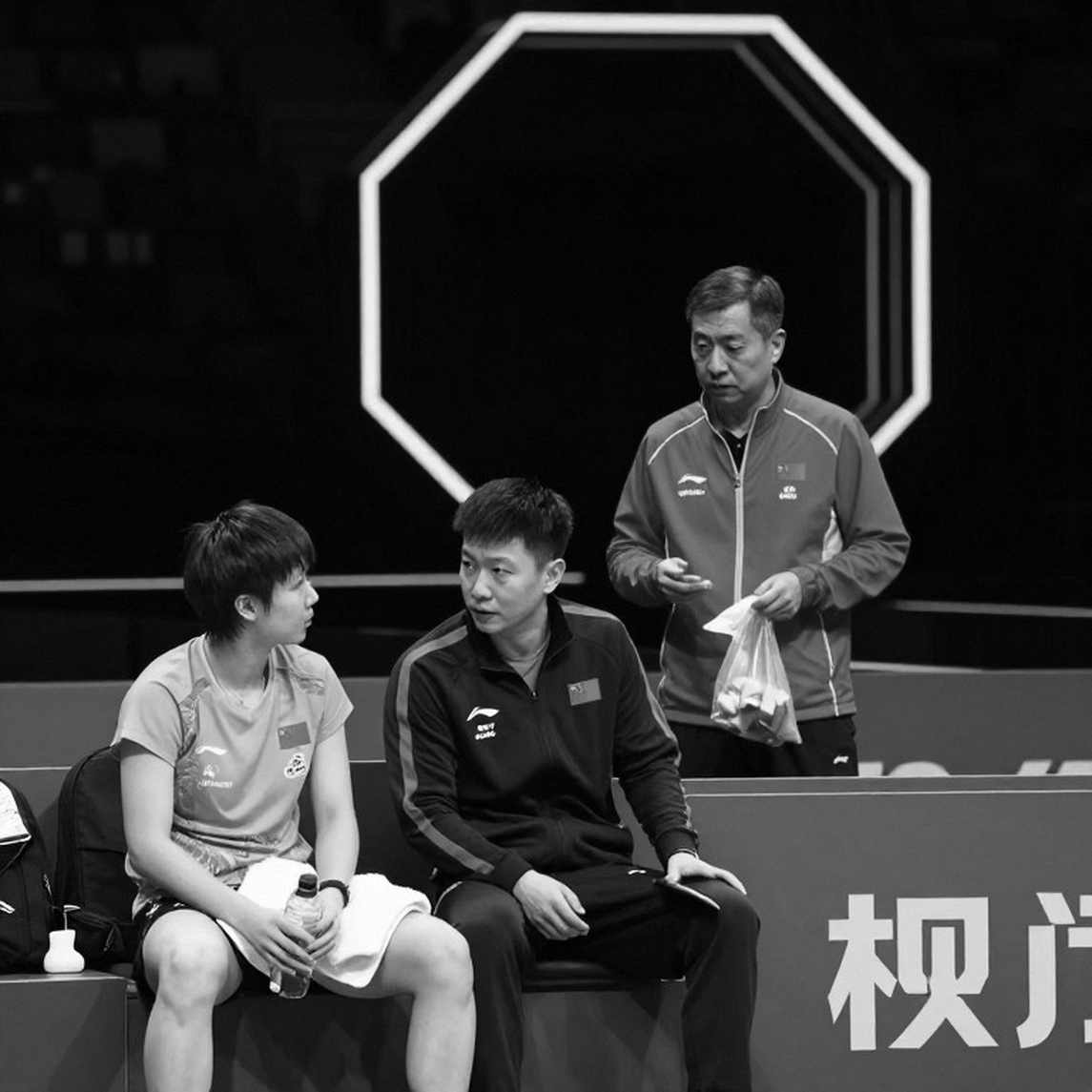
Three games, 73 minutes and a long deciding game a day before the final create a negative fatigue differential for Sindhu. An Se Young's semi-final cost is not publicly stated, but her rally-based style is less explosive and therefore cheaper per minute. Sindhu's second game (20-22) points to something else as well: a mid-match adjustment problem with the hall's drift or the shuttle. If the same drift repeats at the Arena Grand Paris, expect a similar wobble in the second game.
Which way the format leans
The current women's singles format — a point on every rally, best of three, a mandatory two-point lead — punishes error variance and does not reward peak shot quality. That is a general rule, but it applies directly to this pairing: Sindhu must depend on her best shots, An Se Young only has to keep her errors low. The arithmetic is clear — the player who must take risks is Sindhu, and it is the risk-taker who pays for the points.
'Draw inspiration from Wang Zhiyi' — that is a slogan, not a plan
Ahead of the final, the suggestion is being made that Sindhu should draw inspiration from Wang Zhiyi's March win over An Se Young. It sounds reasonable, but analytically it is hollow. No report explains what Wang actually did — which serve pattern, what length control, which defensive shape. 'Inspiration' without a mechanism is a narrative device, not a basis for prediction. Sindhu's genuine upside lies not in any documented tactical blueprint but in three things: variance, the fatigue asymmetry and the relief of playing without points pressure.
Sindhu's route to victory
The most plausible plan is for Sindhu to be aggressive from the start — high tempo and early third- and fourth-shot attacks in the first game, so that scoreboard pressure arrives before the rally length settles. A 'nothing to lose' position is only useful if it converts into early points. That needs two conditions: an unusually error-prone day from An Se Young, and Sindhu holding high intensity for 50-55 straight minutes — not easy given the semi-final pattern. An Se Young's likely plan, meanwhile, is to target Sindhu's backhand rear corner and the body-smash line to suppress the steep downward angle — the standard counter against tall attackers.
The risk list
Three things counsel caution. First, the technical claims have no data behind them — no source supplies smash speed, average rally length or error rate. Second, one player's style is directly countered by the other's, as the 0-10 record attests. Third, a high-consumption style at 33 raises injury risk. And a single 21-10 game is one match's sample, not a trend.
A necessary note on the numbers
The figures used in this report come from match notes made available before the tournament. Some details — such as the exact number of titles won this season, or the attribution of the Japan Open title — could not be independently verified at the time of writing, and the source material itself carries three different names for the same venue. Readers should not treat these numbers as final proof.
Verdict
This final is big as a story and limited as a contest. An Se Young is the structurally dominant side — a 10-0 head-to-head, six titles and one loss this season, and a format that rewards her low-error game. Sindhu's chance lies in an upset, and the definition of an upset is that it comes from coincidence rather than probability. Whatever happens on Sunday morning in Paris, one thing is already settled: Sindhu must keep the rallies short to win, and the longer An Se Young can stretch them, the closer the title comes to her.