
होमChessChessBase Magazine #225: An Elite Glimpse of Prague Festival 2026, Aravindh's Ascent and the Shifting Strategy of Chess Media
Chess
ChessBase Magazine #225: An Elite Glimpse of Prague Festival 2026, Aravindh's Ascent and the Shifting Strategy of Chess Media
चेसबेस मैगज़ीन #225 (सितंबर रिलीज़) एक शतरंज प्रशिक्षण व मीडिया उत्पाद है, जिसे प्राग शतरंज फेस्टिवल 2025 को समर्पित किया गया है। इसमें अरविंद चिदंबरम, अनिश गिरी, डेविड नवारा और एडिज़ गुरेल द्वारा स्वयं अपने खेलों का एनोटेशन, 27 निर्णायक मिनिएचर्स का विशेष खंड, 10 ओपनिंग लेख और वेर्ले, किंग व रिस के तीन वीडियो सत्र शामिल हैं। उत्पाद डाउनलोड, पीडीएफ, भौतिक बुकलेट और आईपैड/टैबलेट/मैक के 'चेसबेस बुक' प्रारूपों में उपलब्ध है। इसका मुख्य आकर्षण खिलाड़ियों का स्व-एनोटेशन है, जबकि इसकी मुख्य चुनौती समयबद्धता और मुफ्त, तेज़, एआई-जनित सामग्री से प्रतिस्पर्धा है।
The chess world has received a significant offering this September. ChessBase Magazine has reached issue #225, and this time it is dedicated to the Prague Chess Festival 2026. This is more than just a magazine—it is an important document of chess's training and media economy, showing how the sport's information is now delivered to readers and how a specialist publisher is trying to hold its ground.
The issue's standout feature is that the games from the Prague Festival 2026 are annotated by the very players who played them. Players such as Aravindh Chithambaram, Anish Giri, David Navara and Ediz Gurel have written commentary on their own games. This model is interesting in itself, because the player directly shares his calculation and evaluation, which captures intent more accurately than third-party analysis. For a club player this is a golden opportunity—to look directly into the mind of a master. However, it has a limitation. Players often under-report positions where they were on the brink of losing and the opponent erred, or where their preparation failed. Self-annotation is excellent for intent but weak for objectivity.
Aravindh Chithambaram's name appearing first on the list is the single most competitively meaningful signal in the article. His presence as lead annotator suggests he was the central attraction of the event—likely the winner or the most outstanding performer. In the 2026 season, Aravindh crossed the 2700 threshold, part of the rising wave of Indian chess. Anish Giri has been a stable elite presence for a long time and has a high draw rate. David Navara is the Czech No. 1 and remains at the top level at 40—his presence in Prague can also be seen as representing the host nation. There is some uncertainty about Ediz Gurel's identification, but if he is the young Turkish grandmaster, it should be seen as a talent signal—not on the basis of standing, but on the basis of future potential. The industry has repeatedly followed this pattern, giving a junior a platform before his rating catches up.
This annotator list is not a ranking of the world's best players but a deliberately constructed editorial composition. It includes an ascending 2700-level Indian, an established Dutch elite, a veteran Czech host and a junior. It covers all four quadrants of rising star, established elite, local hero and next generation. It is not pure merit selection but editorial portfolio construction.
The magazine's second major attraction is the '27 Miniatures' special section—27 short, decisive games. Technically this is the most interesting section, but methodologically it is also suspect. Short, decisive games are curated for entertainment and pattern-recognition training—it is a selected sample, not a representative one. A club player can learn tactical patterns from these 27 games, but will not understand how games are actually won at elite level, where most wins come in long, technically converted endgames. On the other hand, this section is also a direct answer to draw-rate criticism—when elite classical chess is criticised for short draws, presenting 27 decisive short games as a highlight monetises exactly that watchability gap.
The issue also includes 10 opening articles claiming to cover latest trends. But it is notable that the text cites no specific variation or novelty. The claim is unverifiable. Moreover, a September issue covering a spring event has its latest theory already one competitive cycle old. Structurally it is behind the free, same-day output of streams, Discords and live courses. This is the magazine's biggest weakness—the decay of timeliness. In such a situation, presenting the material as model games and method rather than latest theory would be more honest.
The three video presenters—Werle, King and Ris—plausibly cover three distinct technical registers: opening/repertoire and middlegame strategy/explanation. This is an inference from each presenter's public profile, not from the text. If correct, this gives the package vertical coverage from opening to plan. This combination is particularly useful for a club player, who must learn not only opening lines but also middlegame planning.
The product's strongest structural feature is its multi-format delivery. It is available as a download, PDF booklet, physical booklet (with download key) and a ChessBase Book edition for iPad/tablet/Mac. This indicates that the subscriber base is gradually shifting to tablets and away from desktop database software—not merely a convenience but an ecosystem migration. The persistence of the physical booklet also shows that there is still a subscriber class that has not fully moved to digital-native purchasing. This is a strategic step for gift retail and older subscribers.
In terms of the competitive landscape, chess's media and publishing sector is changing rapidly. On one side are platforms like Chess.com (Chessable, the Play Magnus legacy) and Lichess, with capital, distribution and free access; on the other are specialist publishers like ChessBase, with rights, archives and brand authority. The players featured in this issue—Aravindh, Giri, Navara, Gurel—are all active on other platforms in some capacity. ChessBase buys their annotation time, not exclusivity. This is an important distinction, and also its limitation.
The issue's real landscape signal is geographic. An Indian lead annotator, a Dutch elite, a Czech veteran and a Turkish junior—all in one issue—reflects the post-2026 global redistribution of chess talent away from a Russia-centric core. India's deep pipeline, Turkey's emerging junior, Europe's stable elite—together they present a picture of the sport's changing geography. The growing presence of Indian players at elite level is now an established fact.
The competitive axis of the media layer has shifted from who has the best analysis to who has the fastest distribution. ChessBase still holds the authority high ground—self-annotation by the players themselves. But authority is a slow-moving asset competing against same-day free content. ChessBase's structural position is the archive of record, not the destination of choice. That is a durable niche—for institutional, library and coaching markets—but it is shrinking in the consumer market.
On risks, the biggest risk is not competition but obsolescence-by-substitution. Generative AI tools can now produce competent game commentary at near-zero marginal cost. What they cannot produce is the player's own account of his own calculation. That is the only durable moat visible in this article. The latest trends claim is a self-inflicted risk—promising currency on opening theory in a September issue covering a spring event guarantees a perception gap. The same content sold as how strong players think carries no expiry date.
Author concentration is also a risk. Quality swings with the named roster (Werle/King/Ris/Aravindh/Giri). Multi-author redundancy and brand-level rather than personality-level positioning can mitigate this. Financial risk is also serious—free, high-quality opening content compresses willingness to pay. This can be countered by bundling with the database/engine ecosystem and targeting institutional/coaching buyers. The fragility of the subscription model in a niche market with an aging print-era subscriber base also deserves attention.
From a rules and governance perspective, there is no risk in this article. No rule dispute, no cheating allegation, no eligibility question, and no FIDE involvement. The binding constraint here is not FIDE's rulebook but the commercial one—rights to annotate a third party's event games, and the DRM/compatibility regime that determines how subscribers consume them. Self-annotation is the governance-cleanest content model, because it avoids any suspicion of engine assistance. But the ChessBase Book tablet format almost certainly embeds proprietary rendering and some usage restrictions, creating switching costs that substitute for editorial exclusivity.
One serious question remains—rights to annotate the Prague games are likely secured through individual agreements with players rather than an event-wide licence. This is cheaper but fragile if a featured player withdraws cooperation.
In conclusion, ChessBase Magazine #225 is a product that distributes elite knowledge downward rather than generating new knowledge. Its value proposition rests on post-hoc annotation of already-played games and repertoire summarisation. This is legitimate but a second-order technical product. The magazine's greatest strength is self-annotation by players; its greatest weakness is timeliness and its slow pace in an era of free, fast, machine-generated content.
For chess fans, this issue is a rich collection—from 27 miniatures to 10 opening articles and three video series. But for the industry, it also raises a question: can a specialist publisher selling a slow, human-curated product survive in a market that increasingly rewards free, fast and machine-generated content? The issue's answer is yes—but only if it leans on its unique identity, the player's own account, and avoids claims like latest theory whose shelf life expires quickly.
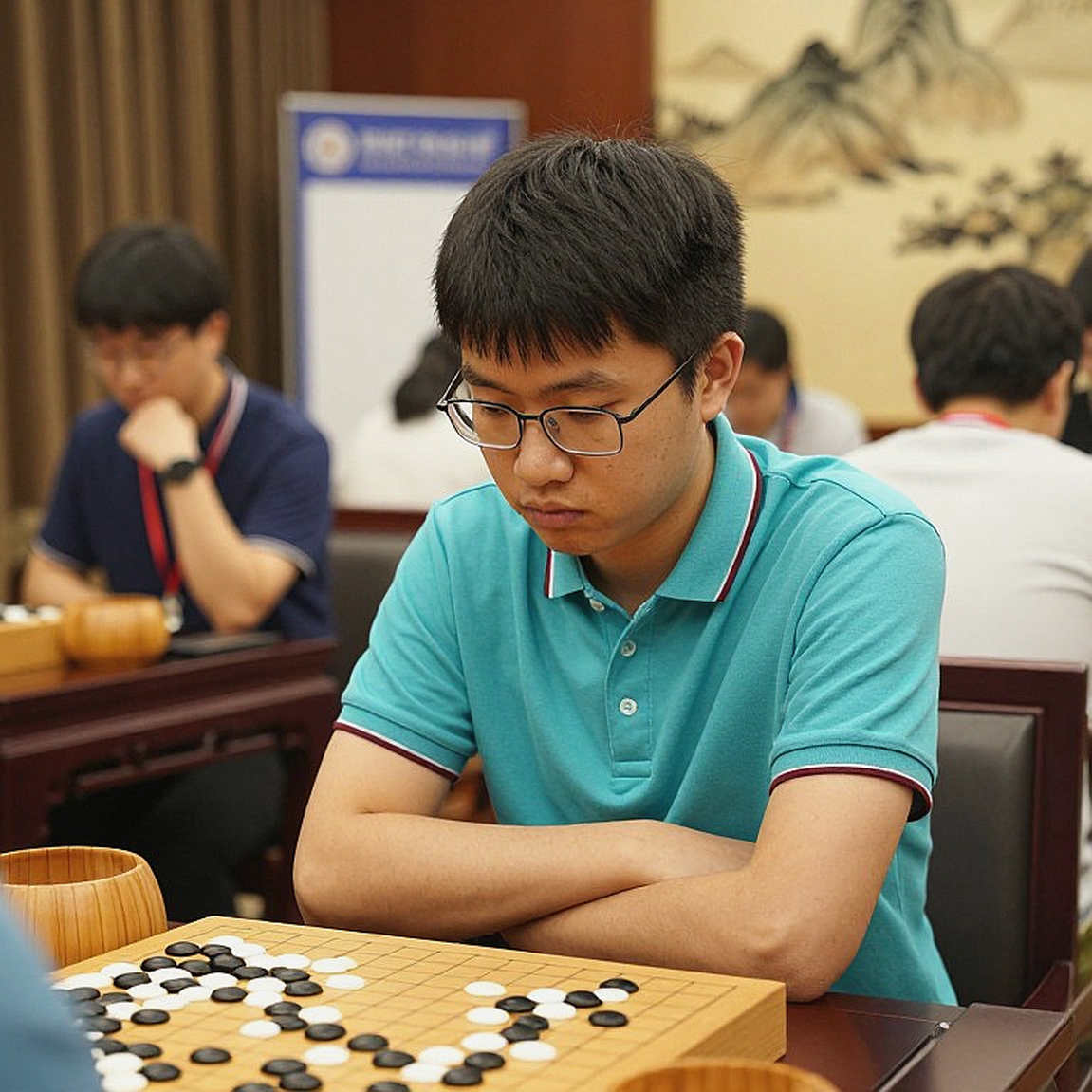
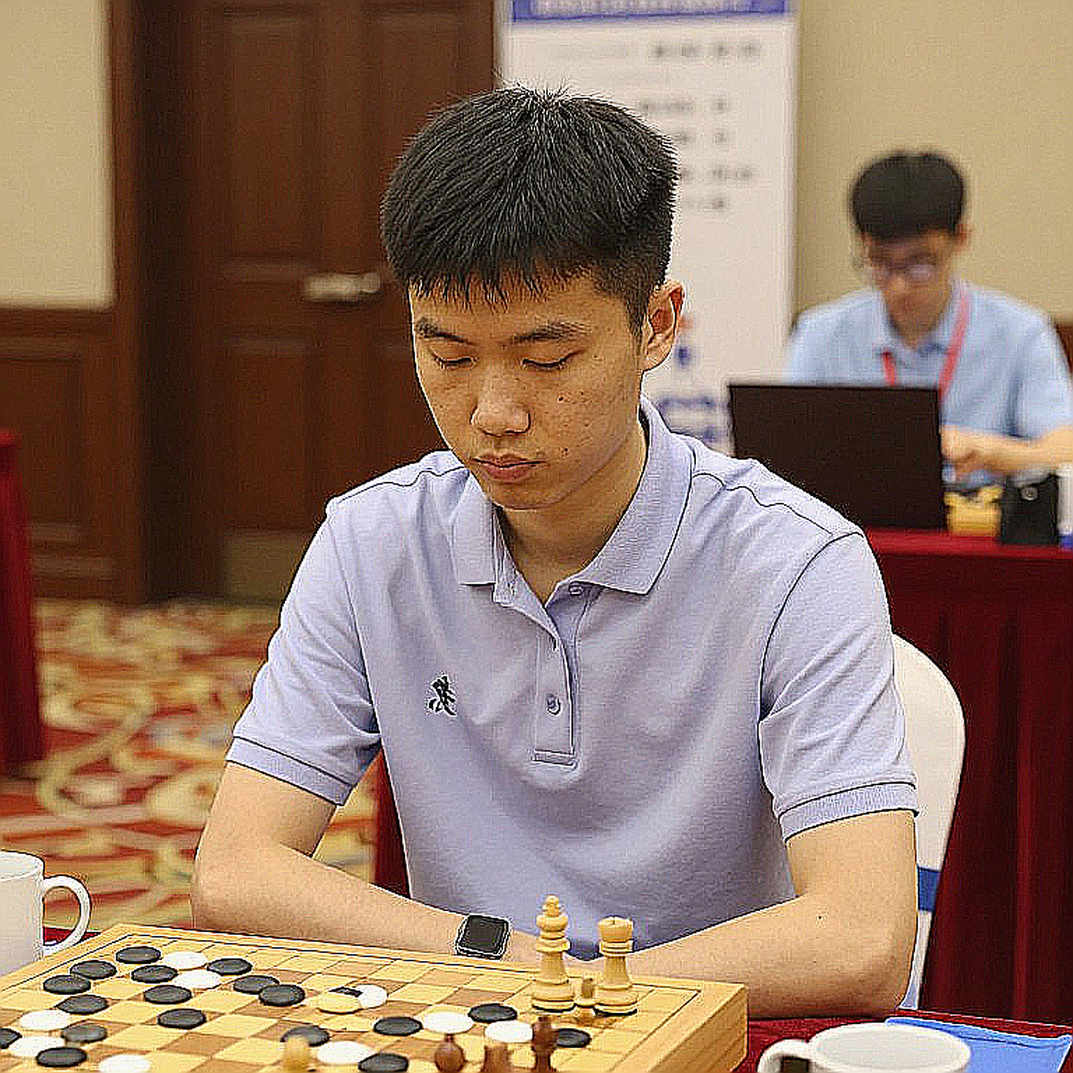
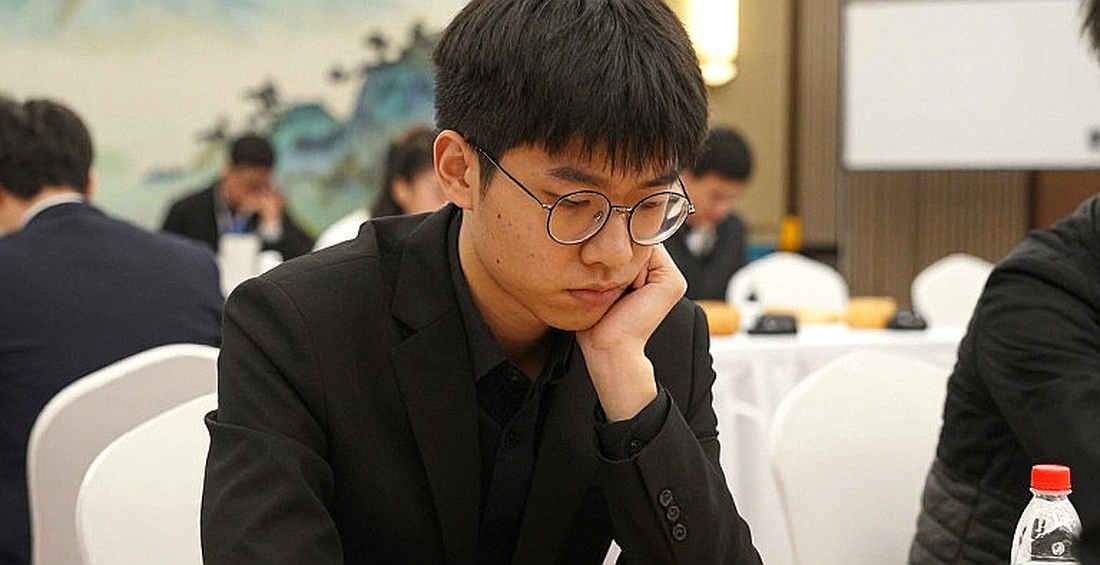
संबंधित खिलाड़ी
लोकप्रिय/पसंदीदा पुस्तकें
ChessBase Magazine #225: An Elite Glimpse of Prague Festival 2026, Aravindh's Ascent and the Shifting Strategy of Chess Media2026-10-31
A Wrong President, a Product for Sale: The Post-Mortem of a Chess 'Story' That Was Never a Story2026-10-30
27 Miniatures, 10 Opening Articles, Zero Engine Data: A Product Audit of ChessBase Magazine #2252026-10-24
Novy Bor Are 'Perfect', but Under the Headline Sits a 60-Minute Scotch Sales Pitch2026-10-23
A Poisoned Pawn Label on an Elephant Gambit Product: The Ledger of a Sixty-Minute Course2026-11-01
India's Chess Era: From Gukesh's Crown to a Double Olympiad Gold2026-10-31
अनुशंसित
India's Chess Era: From Gukesh's Crown to a Double Olympiad Gold2026-10-31
The Headline Says Wesley So, the Body Sells a 1.d4 Repertoire: An Audit of US Championship Coverage2026-10-24
The 60-Minute Elephant Gambit: A Shortcut Sold Under the Najdorf's Name2026-10-24
The Headline Says Najdorf, the Body Says Elephant Gambit: Auditing a 60-Minute Course2026-10-23
The Headline That Made Turlov FIDE President, and the FRITZ 20 Ad Underneath: A Content Audit2026-10-23
Clutch Chess Coverage Exposes Data Gap: Nakamura Leads, But Where Are the Numbers?2026-10-29
अनुशंसित
Three in Four Female Chess Players Faced Gender Bias or Harassment, FIDE Survey Finds2026-10-28
ChessBase Magazine #225: 27 Miniatures, 10 Opening Articles and the Expiry Date of 'Latest Trends'2026-10-30
27 Miniatures, 10 Opening Articles, Zero Engine Data: A Product Audit of ChessBase Magazine #2252026-10-24
European Club Cup: In Budva, the 2715 Average Is the Biggest Question, Not the Biggest Answer2026-10-23
Clutch Chess Coverage Exposes Data Gap: Nakamura Leads, But Where Are the Numbers?2026-10-29
The Headline Says Wesley So, the Body Sells a 1.d4 Repertoire: An Audit of US Championship Coverage2026-10-24
अनुशंसित
A Najdorf Headline, an Elephant Gambit Product: Auditing a 60-Minute Course2026-10-23
A Wrong President, a Product for Sale: The Post-Mortem of a Chess 'Story' That Was Never a Story2026-10-30
Three in Four Female Chess Players Faced Gender Bias or Harassment, FIDE Survey Finds2026-10-28
European Club Cup: In Budva, the 2715 Average Is the Biggest Question, Not the Biggest Answer2026-10-23
The Headline Says Wesley So, the Body Sells a 1.d4 Repertoire: An Audit of US Championship Coverage2026-10-24
A Poisoned Pawn Label on an Elephant Gambit Product: The Ledger of a Sixty-Minute Course2026-11-01