
होमWrestlingA New Era for Indian Wrestling: Preparing Young Wrestlers from Grassroots to the Olympic Podium
Wrestling
A New Era for Indian Wrestling: Preparing Young Wrestlers from Grassroots to the Olympic Podium
भारतीय कुश्ती की अगली बड़ी चुनौली ग्रासरूट प्रतिभा को आधुनिक कोचिंग, पोषण, रिकवरी और पारदर्शी चयन से जोड़ना है। अखाड़ों की परंपरा के साथ स्पोर्ट्स साइंस, वीडियो विश्लेषण, महिला पहलवानों के लिए सुरक्षित माहौल और अंतरराष्ट्रीय exposure जरूरी है। जिला स्तरीय टैलेंट आइडेंटिफिकेशन, ऑनलाइन ट्रायल, बेहतर बुनियादी ढांचा, वित्तीय सुरक्षा और स्कूल-कॉलेज स्तर पर कुश्ती को बढ़ावा देने से भारत अगले दशक में वैश्विक कुश्ती में और मजबूत भूमिका निभा सकता है।
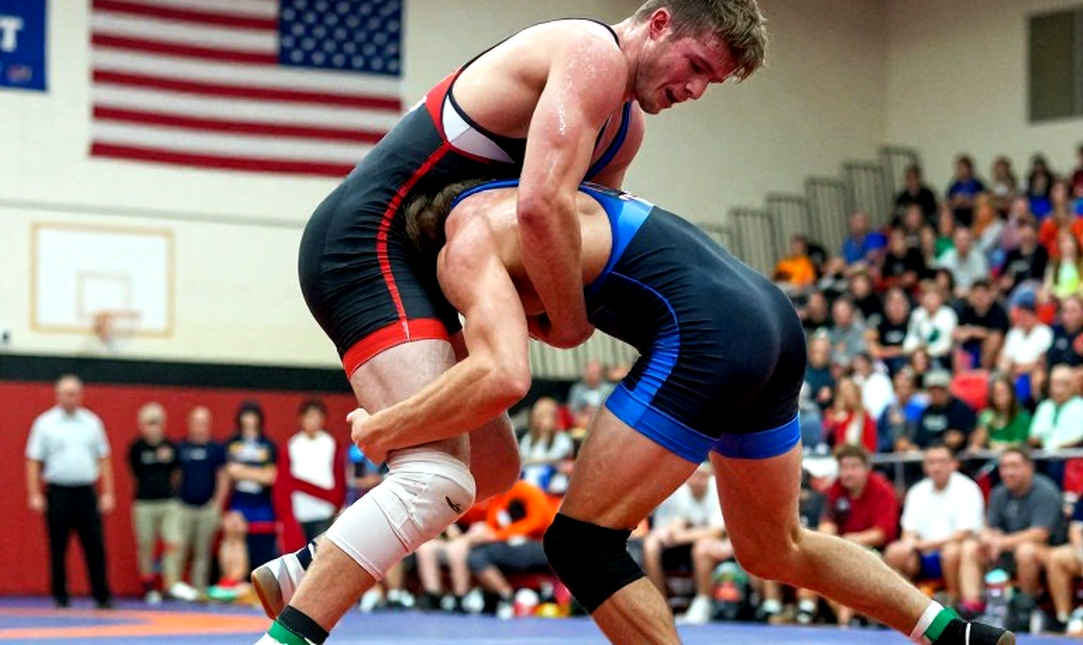
Indian wrestling is once again going through a phase of reconstruction. Talents emerging from the soil of traditional akhadas are now preparing for the international stage with scientific training, video analysis and sports science. At camps across the country, young wrestlers are not only learning moves and counter-moves but also nutrition, recovery, mental strength and a finer understanding of rules. Experts believe that in the next Olympic cycle India's biggest strength can be its young generation, provided grassroots investment and a transparent selection system are ensured. The achievements of senior wrestlers such as Sakshi Malik, Bajrang Punia, Vinesh Phogat and Antim Panghal have created belief; the task now is to convert that belief into a system.
The most important link in this change is building a bridge between akhadas and modern academies. Traditional wrestling has deep roots in districts of Haryana, Uttar Pradesh, Delhi, Punjab, Rajasthan, Madhya Pradesh and Maharashtra. Every year hundreds of children with exceptional strength and endurance emerge from these areas. But talent needs early coaching, safe mats, balanced diet and injury prevention. The new plan talks of district-level talent identification camps, selection through school and college competitions, and mobile coaching units in rural areas. This will help reach talent that remains outside the national stream for want of resources.
Coaches say wrestling is not only about strength; balance, speed and strategy are decisive. A wrestler must read the opponent's move, manage position on the mat and change the outcome in the final moments. Modern training therefore gives prominence to video recording and match analysis. Young wrestlers' bouts are studied frame by frame to work on weaknesses. If a wrestler has a weak grip, loses balance or tires in the last thirty seconds, separate drills are designed. Physiotherapy and recovery sessions are being made mandatory so that the body gets rest amid continuous training.
Change in women's wrestling is even more notable. In recent years Indian women wrestlers have registered a strong presence internationally. What is needed now is a safe training environment for girls in rural areas, appointment of women coaches and open discussion on menstruation, nutrition and weight management. Several academies are providing separate dressing rooms, women physios and counsellors. These steps will not only increase participation but also remove rumours and hesitation that stop many families from sending daughters into wrestling.
Weight management is the most sensitive aspect of wrestling. Excessive weight cutting at a young age affects both health and performance. Experts advise focus on scientific nutrition plans instead of weight cutting. Dietitians now play a bigger role in camps, deciding diets after looking at body composition, metabolism and competition calendar. Attention is also paid to water intake, electrolyte balance and pre- and post-competition recovery. This can reduce problems such as dizziness, weakness and long-term injuries.
Infrastructure challenges remain big. Many villages have akhadas but not modern mats, weighing machines, CCTV or medical facilities. Training is affected during rainy months. Lack of toilets and changing spaces for girls is a major barrier. Some state academies have smart boards, recovery pools and gyms, but benefits have not reached equally. Public-private partnership and corporate sponsorship must increase. Small grants, equipment and coach training for local clubs can start a big change.
Transparency in selection is another key issue. Athletes and parents trust the system when trial dates, criteria and results are public. Several states are starting online registration and video trials. This will reduce the need for distant wrestlers to travel repeatedly to cities. Age verification and doping awareness should be linked to the school level. Discipline and rule compliance are essential in wrestling; a small lapse can affect a career for a long time.
Mental health is now being discussed openly. Pressure in international bouts, fear of losing, return after injury and the burden of expectations affect young wrestlers. Several academies have started sports psychologist services. Athletes are taught attention, breathing and positive thinking. Coaches are being trained not to judge only by victory and defeat but to focus on process and improvement. This builds confidence and helps performance under pressure.
International experience requires regular foreign tours and international camps. Indian wrestlers must get chances to fight opponents of different styles. Freestyle and Greco-Roman have different technical challenges. Joint training sessions with foreign coaches, rules workshops with international referees and a clear chain of small tournaments should be created. This will help match fitness and understanding of rules. The domestic circuit also needs strengthening so that young athletes get competition throughout the year and rankings become clear.
To raise the level of domestic competitions, a coordinated calendar at district, state and national levels is needed. Many talents fall behind because they do not get good bouts at the right time. If ranking tournaments are held every three months and streamed live, athletes will get recognition. Local sponsors will also come forward. Media and digital platforms have an important role in increasing wrestling's popularity. Stories of akhadas, struggle journeys of young wrestlers and exciting local bouts, if presented well, will connect the new generation.
Coaching systems also need improvement. Good coaches do not only teach technique; they understand an athlete's mindset and body needs. Including former wrestlers in coaching will bring direct benefit of experience. They should be trained in modern sports science. The number of women coaches should increase so that girls can ask questions freely. Regular refresher courses, a code of ethics and clear child-safety norms should be in place. This will make training professional and safe.
Nutrition and recovery must become part of the sports budget. Often money is spent on equipment and training but less on food and recovery. Young wrestlers need a balanced diet rich in protein, iron, calcium and vitamins. Mess quality in hostels should be checked regularly. Immediate treatment, rehab and mental support after injury can speed up return. Sports science labs, biomechanics checks and sleep quality should also get attention. These small steps make a big difference over a long career.
Technology and data should not remain limited to big camps. Mobile apps can track training logs, weight and match videos. Coaches can suggest corrections from a distance. Given poor internet in villages, offline data collection and weekly review models can be used. This will reduce bias in talent selection and create records of progress. Data privacy and security rules should also be clear.
Financial security is necessary for an athlete's focus. Junior wrestlers should get scholarships, travel allowance and injury insurance. Jobs and honours come after medals, but support is thin during the early struggle. Local traders, educational institutions and sports bodies should adopt athletes. Sponsorship should come with transparent accounts and publicity. This will increase parents' trust and encourage more children to choose wrestling as a career.
Linking wrestling with schools and colleges is a long-term investment. Physical education curricula should include safe wrestling technique, weight management and basic nutrition. Teachers should be trained to identify talented children. A direct path from school competitions to state level should be created. This will widen the base and also include children who are far from traditional akhadas.
In conclusion, Indian wrestling does not lack talent. What it needs is a system that combines the tradition of the akhada with modern science. If young wrestlers get a safe environment, transparent selection, better nutrition and continuous international exposure, India can emerge as an even stronger global wrestling power in the next decade. The real victory will come before the medal on the mat, in a process that does justice to talent in every village and every akhada.
संबंधित खिलाड़ी
लोकप्रिय/पसंदीदा पुस्तकें
The Trials Ledger: India's Real Wrestling Selector Is Not the Federation, It Is the Trial Date2026-10-30
From 100 Grams to 74 Kg: The Trials Ledger of Indian Wrestling, and the Column Nobody Counted2026-10-23
The 100-Gram Verdict: In Indian Wrestling, the Real Final Is Fought on the Scale2026-10-23
Pro Wrestling League's Return: The Auction Sheet, the Akhada's Ledger and Delhi's Scale2026-10-23
41 Kilos and 41 Phone Calls: Who Owns a Wrestler's Body on Paper2026-11-03
The 100-Gram Ledger: What Weight-Cut Culture Actually Costs in Haryana's Wrestling Pipeline2026-11-03
अनुशंसित
The Transfer Window Doesn't Open on the Mat: Indian Wrestling's Real Deals Are Settled on the Railways Payroll2026-10-23
Six of Eight: Why India's Wrestling Medals Keep Arriving From the Repechage Bracket2026-10-23
The Trials Ledger: India's Real Wrestling Selector Is Not the Federation, It Is the Trial Date2026-10-30
After 100 Grams: Indian Wrestling's Hardest Bout Is No Longer on the Mat — It's on the Entry List2026-10-23
The Indian Wrestling Ledger: Eight Olympic Medals, Five From Haryana, and the Hundred Grams on the Scale2026-10-23
One Hundred Grams: What the Paris Weigh-In Sheet Recorded, and What It Left Out2026-10-23
अनुशंसित
The 100-Gram Verdict: In Indian Wrestling, the Real Final Is Fought on the Scale2026-10-23
From 100 Grams to 74 Kg: The Trials Ledger of Indian Wrestling, and the Column Nobody Counted2026-10-23
The Third Column: Wrestling's Transfer Window Runs Through the Akhada, the Department and the Entry List2026-10-29
The Empty Column on the Weigh-In Sheet: Indian Wrestling's 100-Gram Administrative File2026-10-26
Six of Eight: Why India's Wrestling Medals Keep Arriving From the Repechage Bracket2026-10-23
The 100-Gram Ledger: From the Paris Scale to India's Eight Wrestling Medals2026-10-30
अनुशंसित
Pro Wrestling League's Return: The Auction Sheet, the Akhada's Ledger and Delhi's Scale2026-10-23
The Empty Column on the Weigh-In Sheet: Indian Wrestling's 100-Gram Administrative File2026-10-26
A New Era for Indian Wrestling: Preparing Young Wrestlers from Grassroots to the Olympic Podium2026-11-01
41 Kilos and 41 Phone Calls: Who Owns a Wrestler's Body on Paper2026-11-03
The Indian Wrestling Ledger: Eight Olympic Medals, Five From Haryana, and the Hundred Grams on the Scale2026-10-23
Six of Eight: Why India's Wrestling Medals Keep Arriving From the Repechage Bracket2026-10-23