
होमWrestlingA New Chapter in Wrestling: Young Wrestlers, Scientific Training and Multi-Dimensional Olympic-Cycle Preparation
Wrestling
A New Chapter in Wrestling: Young Wrestlers, Scientific Training and Multi-Dimensional Olympic-Cycle Preparation
यह रिपोर्ट भारतीय कुश्ती के ओलंपिक चक्र में युवा पहलवानों की तैयारी, वैज्ञानिक प्रशिक्षण, सुरक्षित वजन प्रबंधन, महिला कुश्ती, मानसिक स्वास्थ्य और पारदर्शी चयन प्रक्रिया पर केंद्रित है। मुख्य संदेश यह है कि दीर्घकालिक सफलता के लिए प्रतिभा, खेल विज्ञान, पोषण, रिकवरी और सुशासन में संतुलन जरूरी है।
New Delhi. Indian wrestling stands at an important juncture where the strength of traditional akhadas and the demands of modern sports science are shaping a new strategy. As the Olympic cycle moves forward, greater participation of young wrestlers, the expansion of women’s wrestling, safe weight management and transparent selection are central themes. This special report is not limited to the results of a single competition; it examines the wider ecosystem that will determine India’s performance in the coming years. Names such as Bajrang Punia, Vinesh Phogat, Sakshi Malik and Ravi Dahiya have given wrestling a strong identity at home and abroad, but the next challenge is to convert popularity into sustainable success. That will require attention to selection, coaching quality, injury management, nutrition, mental strength and trust in sports administration.
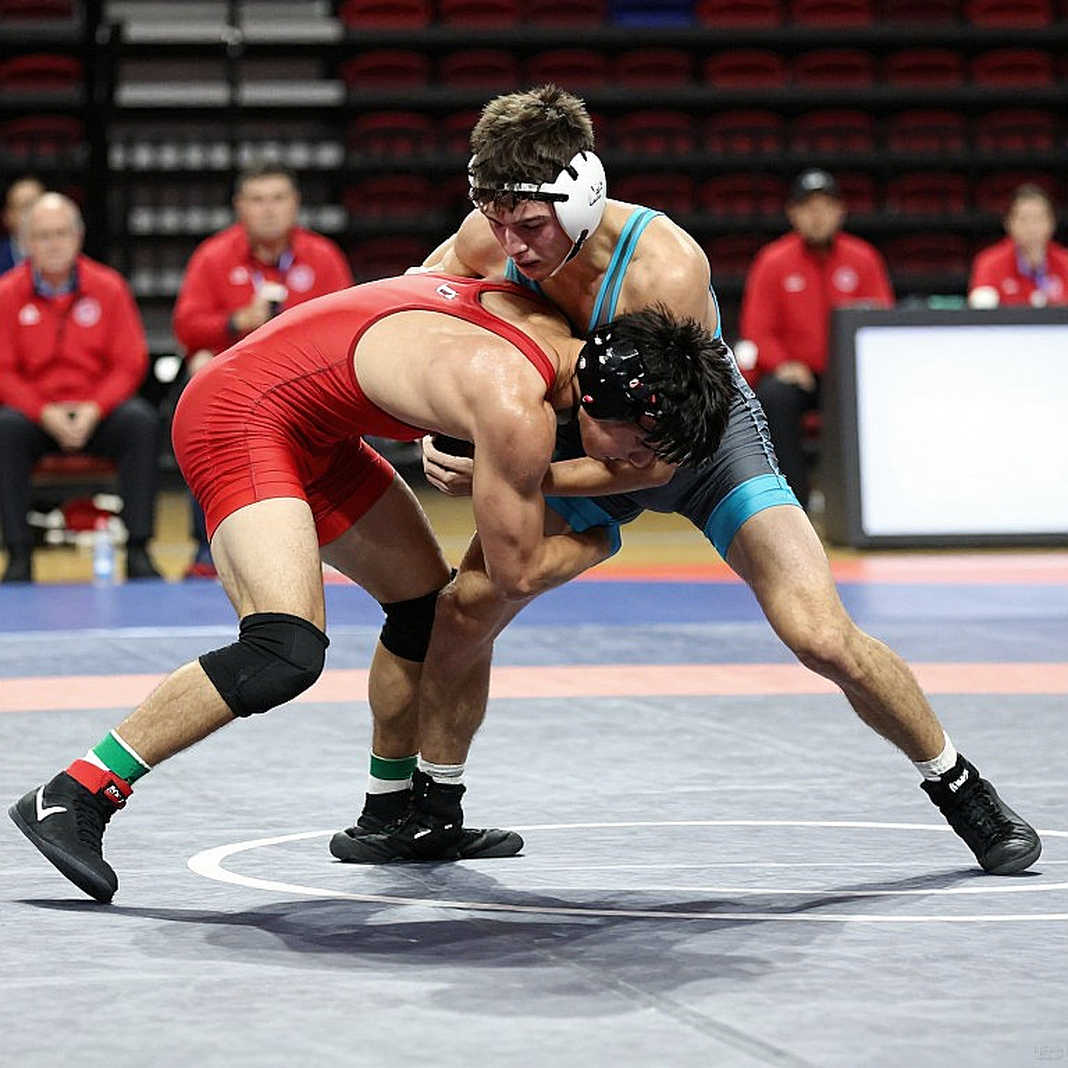
India’s greatest wrestling strength is its grassroots tradition. Akhadas in Haryana, Uttar Pradesh, Delhi, Punjab, Maharashtra, Madhya Pradesh and Rajasthan have produced wrestlers who achieved major success with limited resources. However, traditional practice alone is no longer enough. International competition has become faster and more scientific, with rival nations investing in data analysis and individual training plans. Indian wrestlers must therefore improve technique, physical preparation and tactical understanding together. Young wrestlers need early international exposure, a more organised domestic circuit and a clear pathway from junior to senior levels.
Transparent selection builds athlete trust. Trials, rankings and fitness standards should be clearly defined and communicated in advance. Selection committees should include former wrestlers, coaches and sports-science experts. Digital platforms can make rankings, performance records and fitness data more accessible. This will reduce disputes and help young wrestlers understand the standards they must meet.
Scientific training is another major need. Traditional exercises retain value, but strength and conditioning, mobility, speed and recovery must be integrated. Training should be individualised rather than uniform. Video analysis can help wrestlers identify mistakes and study opponents. Data from mat decisions should also become part of preparation.
Recovery and load management deserve equal attention. Over-training increases injury risk. Sleep, nutrition and rest must be planned. Physiotherapists, nutritionists and strength coaches should be available at major camps. Wrestlers should learn to distinguish fatigue from pain and not ignore minor injuries.
Weight management is especially sensitive. Extreme weight cutting at a young age can harm health and career longevity. Safe weight plans should cover the whole season, with medical monitoring, hydration checks and body-composition assessment. Sudden dehydration and starvation must be avoided. Clear rules and strict enforcement are essential.
Nutrition awareness must improve. Indian diets can be balanced and affordable, but protein, carbohydrates, vitamins and minerals must match training intensity. Nutritionists should guide athletes at national and state centres. Supplements should be used only on expert advice.
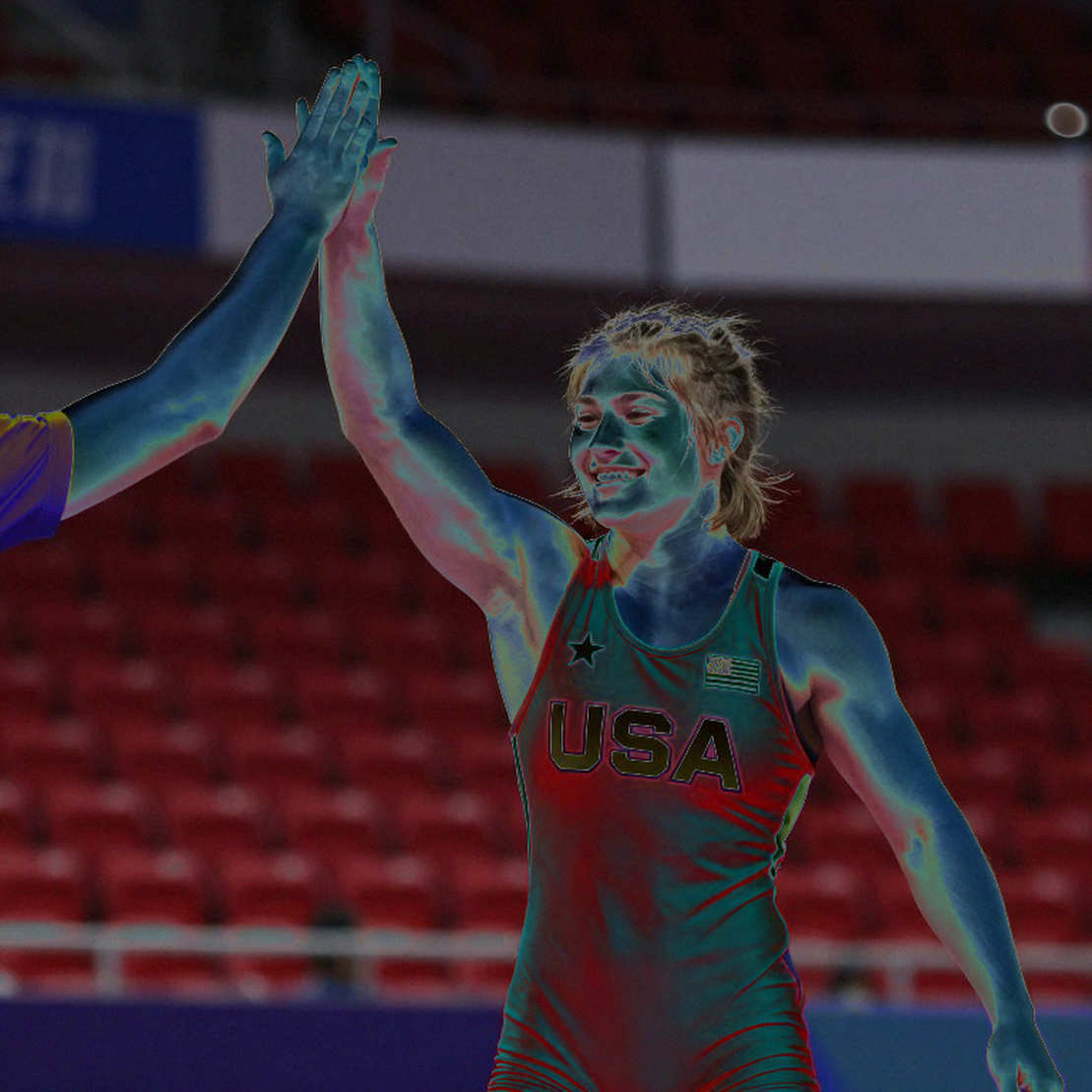
Women’s wrestling has made remarkable progress. Vinesh Phogat, Sakshi Malik and Anshu Malik have shown that Indian women can compete at the highest level. Yet many girls still face social resistance and lack of facilities. Safe training environments, women coaches, separate changing rooms and travel support matter. More competitions and weight categories will create opportunities. Families need reassurance that wrestling offers safety and a future.
Mental health must be discussed openly. Individual sport creates direct pressure from defeat, injury, weight and selection. Sports associations should provide psychologists and encourage help-seeking. Coaches must be sensitive. Open conversation, sleep, family support and stress-management techniques can make wrestlers stronger off the mat as well.
Injury management needs a structured system. Knee, shoulder, back and neck injuries are common. Early diagnosis and rehabilitation are vital. Major centres should have physiotherapy and return-to-play protocols. Insurance and financial support for treatment are also important.
Grassroots infrastructure remains crucial. Akhadas are still the first school for many talents, but they need safe mats, clean water, basic facilities and trained coaches. Schools and colleges can promote wrestling. State governments can fund local competitions, while public and private academies can share resources. Scholarships, hostels and kits will help talented children from poor families stay in the sport.
Coach education must be continuous. Good coaches understand technique, psychology, fitness and long-term athlete development. They need training in modern methods, injury prevention, nutrition and mental health. Performance evaluation and incentives for successful coaches will improve quality.
International exposure and video analysis are now essential. Foreign camps, international tournaments and practice with different styles will help Indian wrestlers understand rules, refereeing and opponent tactics. Video review can expose weaknesses. Coaching staff should study international bouts in depth and provide quick technical feedback.
Media and fans are changing the sport. Wrestling is now recognised not only through medals but also through athletes’ stories. Social media has created direct engagement. Leagues and exhibition events can add energy, but commercialisation must balance athlete rights, safety and transparency. Sponsors should invest in grassroots programmes, not only in winners.
Governance must inspire confidence. Wrestling bodies should hold regular meetings, communicate clearly and give athletes representation. Selection, funding and camp information should be shared on time. An independent grievance mechanism is needed. Trust between administrators and wrestlers is essential for long-term planning.
In conclusion, Indian wrestling has talent, tradition and popularity. What it needs now is a modern system that connects these strengths. If young wrestlers receive proper guidance, safe training, nutrition and mental support; if women’s wrestling gets equal opportunity and a safe environment; if selection is transparent and coaching quality improves, India can be stronger in the next Olympic cycle. Success comes not from one or two events but from continuous improvement. Sports science, grassroots facilities and transparent governance must move together. That is the real roadmap for Indian wrestling.
संबंधित खिलाड़ी
लोकप्रिय/पसंदीदा पुस्तकें
From 100 Grams to 74 Kg: The Trials Ledger of Indian Wrestling, and the Column Nobody Counted2026-10-23
The 100-Gram Verdict: In Indian Wrestling, the Real Final Is Fought on the Scale2026-10-23
Pro Wrestling League's Return: The Auction Sheet, the Akhada's Ledger and Delhi's Scale2026-10-23
A New Chapter in Wrestling: Young Wrestlers, Scientific Training and Multi-Dimensional Olympic-Cycle Preparation2026-10-27
The Empty Column on the Weigh-In Sheet: Indian Wrestling's 100-Gram Administrative File2026-10-26
The Verdict of the Weighing Scale: A Re-evaluation of Indian Wrestling2026-10-24
अनुशंसित
The Transfer Window Doesn't Open on the Mat: Indian Wrestling's Real Deals Are Settled on the Railways Payroll2026-10-23
Six of Eight: Why India's Wrestling Medals Keep Arriving From the Repechage Bracket2026-10-23
The Verdict of the Weighing Scale: A Re-evaluation of Indian Wrestling2026-10-24
Pro Wrestling League's Return: The Auction Sheet, the Akhada's Ledger and Delhi's Scale2026-10-23
From 100 Grams to 74 Kg: The Trials Ledger of Indian Wrestling, and the Column Nobody Counted2026-10-23
The Empty Column on the Weigh-In Sheet: Indian Wrestling's 100-Gram Administrative File2026-10-26
अनुशंसित
One Hundred Grams: What the Paris Weigh-In Sheet Recorded, and What It Left Out2026-10-23
Pro Wrestling League's Return: The Auction Sheet, the Akhada's Ledger and Delhi's Scale2026-10-23
After 100 Grams: Indian Wrestling's Hardest Bout Is No Longer on the Mat — It's on the Entry List2026-10-23
From 100 Grams to 74 Kg: The Trials Ledger of Indian Wrestling, and the Column Nobody Counted2026-10-23
Six of Eight: Why India's Wrestling Medals Keep Arriving From the Repechage Bracket2026-10-23
The 100-Gram Verdict: In Indian Wrestling, the Real Final Is Fought on the Scale2026-10-23
अनुशंसित
The Indian Wrestling Ledger: Eight Olympic Medals, Five From Haryana, and the Hundred Grams on the Scale2026-10-23
The 100-Gram Verdict: In Indian Wrestling, the Real Final Is Fought on the Scale2026-10-23
A New Chapter in Wrestling: Young Wrestlers, Scientific Training and Multi-Dimensional Olympic-Cycle Preparation2026-10-27
One Hundred Grams: What the Paris Weigh-In Sheet Recorded, and What It Left Out2026-10-23
After 100 Grams: Indian Wrestling's Hardest Bout Is No Longer on the Mat — It's on the Entry List2026-10-23